


Preparing for the GRE at home can feel a bit overwhelming — especially if you’re used to classroom learning or structured coaching. But here’s the reality: with the right strategy, discipline, and resources, studying from home can actually give you an edge.
Table Of Content
The GRE at-home format offers flexibility and convenience without compromising on difficulty or structure. If you plan it right, you can prepare effectively and aim for a top score — all from your own space.
In this guide, you’ll find practical tips, strategies, and insights to help you succeed in your GRE home preparation journey.
What is the GRE At-Home Test?
The GRE at-home test is essentially identical to the test center version in terms of:
- Content
- Format
- Difficulty level
- Scoring system
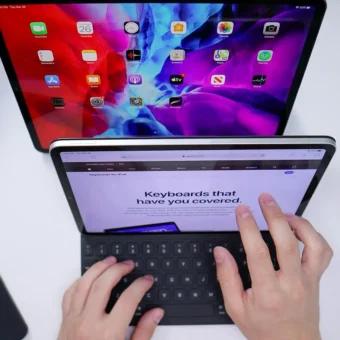
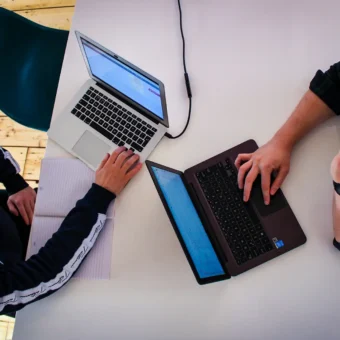
The only difference? You can take it from a quiet room at home using your desktop or laptop (mobile devices and tablets are not allowed).
The test is monitored by a remote proctor through ProctorU, ensuring fairness and security throughout the exam.
Why choose GRE at-home?
- Flexible scheduling (morning or late-night slots)
- Comfortable and familiar test environment
- Ideal for working professionals managing tight schedules
Things to Keep in Mind Before Taking the GRE at Home
A smooth test experience depends heavily on preparation — not just academically, but also technically and physically.
Press enter or click to view image in full size

Before Test Day
1. Technical Setup
- Make sure your computer meets GRE prep & other system requirements
- Close unnecessary tabs and background applications
- Avoid multiple devices connected to the same internet network
2. Test Environment
- Keep your desk clean and clutter-free
- Choose a quiet, well-lit room
- Ensure your room’s entryway is visible to the proctor
- Avoid wearing hats or accessories during the test
3. Essential Equipment
- Valid ID (passport is preferred)
- Approved note-taking tools (like a whiteboard or transparency sheet)
On Test Day
- Resolve any technical issues before starting
- Close all unnecessary apps and software
- Disable screen-sharing or remote-access tools
- Use only permitted materials
- Keep your face and ears visible throughout the test
If you wear a religious head covering, ensure it does not obstruct your ears.
Top Tips for GRE At-Home Preparation
Success in the GRE isn’t just about intelligence — it’s about consistency, strategy, and self-awareness. Here’s how you can prepare effectively from home.
1. Build a Strong Reading Habit
If you want to improve your GRE Verbal score, reading regularly is non-negotiable.
- Read a mix of nonfiction, editorials, and analytical articles
- Focus on improving comprehension and vocabulary
- Practice summarizing what you read to strengthen retention
This habit directly helps with reading comprehension and critical reasoning skills.
2. Create a Realistic GRE Study Plan
Press enter or click to view image in full size

A well-structured GRE study plan at home is your foundation.
- Set achievable daily and weekly goals
- Allocate time for Verbal, Quant, and AWA sections
- Stick to a consistent routine
Avoid overloading yourself with unrealistic targets — consistency beats intensity.