



What Is a Food Truck and How Does It Work?
The mobile food industry has transformed the way people enjoy meals by offering convenience, variety, and affordability. A food truck is much more than a vehicle serving meals on the street. It is a...

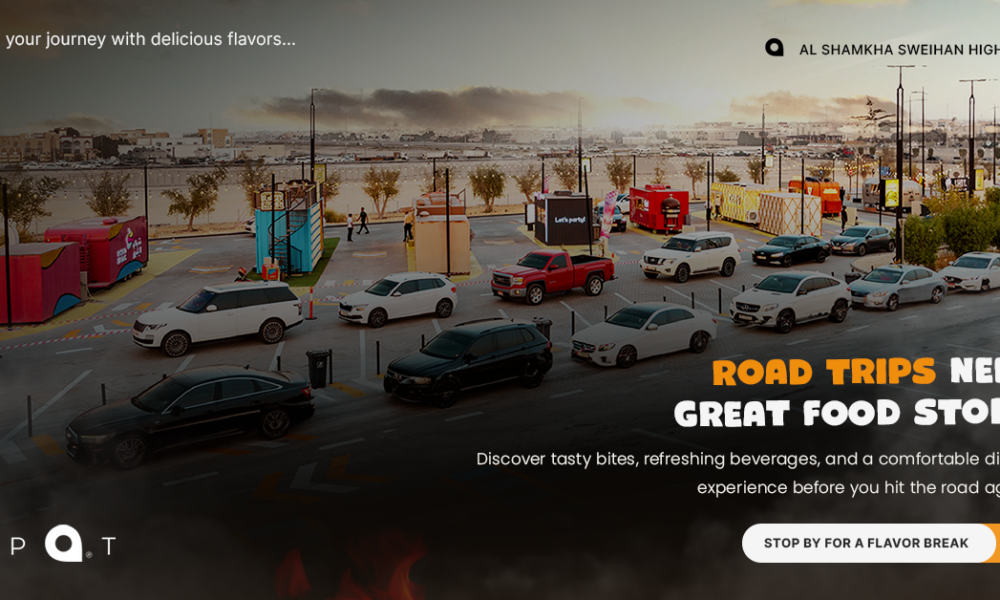
The mobile food industry has transformed the way people enjoy meals by offering convenience, variety, and affordability. A food truck is much more than a vehicle serving meals on the street. It is a fully equipped mobile kitchen that allows entrepreneurs to prepare and sell fresh food at different locations while reaching a wide range of customers. Whether parked near office buildings, schools, festivals, or public events, these mobile businesses have become a popular dining choice for people looking for quality meals on the go.
Table Of Content
- Understanding What a Food Truck Is
- Why Food Trucks Have Become So Popular
- Convenience
- Variety
- Lower Operating Costs
- Flexible Locations
- Community Engagement
- How Does a Food Truck Work?
- Planning the Menu
- Purchasing Ingredients
- Preparing the Kitchen
- Traveling to the Selling Location
- Cooking Fresh Meals
- Serving Customers
- Closing Operations
- Essential Equipment Inside a Food Truck
- Cooking Equipment
- Refrigeration
- Food Preparation Area
- Water System
- Ventilation
- Storage
- Daily Responsibilities of the Staff
- Driver
- Cook
- Cashier
- Food Prep Assistant
- Benefits of Operating a Mobile Food Business
- Lower Startup Investment
- Greater Business Flexibility
- Direct Customer Feedback
- Marketing Opportunities
- Event Participation
- Challenges of Running a Food Truck
- Limited Space
- Weather Conditions
- Equipment Maintenance
- Fuel Expenses
- Inventory Management
- Food Safety Practices
- Temperature Control
- Personal Hygiene
- Cleaning Schedule
- Safe Food Storage
- Waste Disposal
- Technology Used in Modern Food Trucks
- Point-of-Sale Systems
- GPS Navigation
- Social Media
- Online Ordering
- Choosing the Right Menu
- Customer Experience Matters
- Friendly Service
- Fast Preparation
- Clean Appearance
- Consistent Quality
- Sustainability in Mobile Food Businesses
- Tips for Aspiring Entrepreneurs
- Research the Market
- Develop a Business Plan
- Focus on Quality
- Build a Strong Brand
- Continue Learning
- Final Thoughts
The flexibility of this business model makes it attractive to aspiring entrepreneurs who want to enter the food industry without investing in a traditional restaurant. Understanding how these mobile kitchens operate helps customers appreciate the planning, effort, and regulations involved in running a successful operation.
Understanding What a Food Truck Is
A food truck is a specially designed commercial vehicle equipped with kitchen appliances, storage facilities, refrigeration units, cooking equipment, and serving counters. Unlike traditional restaurants, it is mobile and can travel to various locations based on customer demand, events, and business opportunities.
Modern food trucks can serve nearly every type of cuisine, including:
- Burgers
- Sandwiches
- Pizza
- Tacos
- Asian cuisine
- Desserts
- Coffee and beverages
- Healthy meals
- Vegan specialties
- Seafood
Some trucks focus on a single signature dish, while others offer an extensive menu designed to satisfy different customer preferences.
Why Food Trucks Have Become So Popular
The popularity of mobile dining has grown significantly over the past decade for several reasons.
Convenience
Customers can quickly purchase fresh meals without waiting for restaurant seating. Busy professionals, students, and travelers appreciate the speed and accessibility.
Variety
Every truck offers its own unique menu, allowing customers to explore different cuisines without visiting multiple restaurants.
Lower Operating Costs
Operating a mobile kitchen generally requires less investment than opening a full-scale restaurant, making it an appealing option for new entrepreneurs.
Flexible Locations
Instead of depending on one fixed address, operators can move to areas with higher customer demand throughout the day.
Community Engagement
Food trucks often participate in festivals, concerts, sporting events, and local celebrations, creating enjoyable dining experiences while interacting directly with customers.
How Does a Food Truck Work?
Running a mobile food business involves much more than simply cooking and serving meals. Every day requires careful planning and coordination.
Planning the Menu
Operators usually create menus that are:
- Easy to prepare
- Quick to serve
- Cost-effective
- Popular among customers
Keeping the menu focused helps reduce waste and maintain consistent quality.
Purchasing Ingredients
Fresh ingredients are purchased from reliable suppliers on a regular schedule. Inventory management is essential because storage space inside the truck is limited.
Many owners prepare ingredients in advance to reduce serving times during busy hours.
Preparing the Kitchen
Before opening each day, staff members:
- Check cooking equipment
- Inspect refrigeration systems
- Clean preparation areas
- Restock ingredients
- Fill water tanks
- Ensure gas and power systems are functioning properly
Proper preparation helps maintain food quality and safety throughout the day.
Traveling to the Selling Location
Unlike restaurants, mobile kitchens travel to locations where customer traffic is highest.
Popular locations include:
- Business districts
- Office complexes
- University campuses
- Public parks
- Shopping areas
- Tourist attractions
- Community events
- Festivals
Selecting the right location plays a major role in daily sales.
Cooking Fresh Meals
Most orders are prepared after customers place them, ensuring freshness.
Depending on the menu, cooking may involve:
- Grilling
- Frying
- Baking
- Steaming
- Roasting
- Blending
- Brewing beverages
Fast preparation is important during busy periods.
Serving Customers
Staff members receive orders, prepare meals, process payments, and serve customers efficiently.
Many trucks now accept:
- Cash
- Credit cards
- Debit cards
- Mobile wallets
- QR code payments
Digital payment systems improve convenience for both businesses and customers.
Closing Operations
At the end of the day, operators:
- Clean cooking equipment
- Dispose of waste responsibly
- Store remaining ingredients safely
- Count inventory
- Review daily sales
- Prepare for the next operating day
Maintaining cleanliness is essential for food safety and regulatory compliance.
Essential Equipment Inside a Food Truck
Every mobile kitchen is equipped according to the type of cuisine being served.
Common equipment includes:
Cooking Equipment
- Grills
- Fryers
- Ovens
- Stovetops
- Steamers
Refrigeration
Cold storage keeps ingredients fresh and prevents spoilage.
Equipment may include:
- Refrigerators
- Freezers
- Cooling units
Food Preparation Area
Preparation stations provide workspace for chopping, assembling, and packaging meals.
Water System
A complete plumbing system typically includes:
- Fresh water tank
- Wastewater tank
- Handwashing sink
- Dishwashing sink
Ventilation
Powerful ventilation systems remove smoke, grease, and cooking odors while improving workplace safety.
Storage
Shelving and cabinets maximize limited space by storing:
- Ingredients
- Packaging
- Cleaning supplies
- Cooking utensils
Daily Responsibilities of the Staff
Operating a mobile kitchen requires teamwork.
Typical responsibilities include:
Driver
Safely transports the vehicle to approved operating locations.
Cook
Prepares meals according to established recipes while maintaining food quality.
Cashier
Handles customer orders and payment processing.
Food Prep Assistant
Prepares ingredients, packages meals, and supports kitchen operations during busy periods.
Many smaller businesses operate successfully with only two or three team members performing multiple roles.
Benefits of Operating a Mobile Food Business
Many entrepreneurs choose this business model because of its numerous advantages.
Lower Startup Investment
Compared to traditional restaurants, startup costs are generally lower.
Greater Business Flexibility
Owners can relocate whenever demand changes.
Direct Customer Feedback
Serving customers face-to-face allows operators to gather immediate feedback and improve their menu.
Marketing Opportunities
The vehicle itself acts as a moving advertisement wherever it travels.
Event Participation
Businesses can increase sales by attending:
- Music festivals
- Sporting events
- Corporate gatherings
- Weddings
- Community fairs
- Cultural celebrations
These events often attract thousands of potential customers in one location.
Challenges of Running a Food Truck
Although rewarding, operating a mobile food business also presents several challenges.
Limited Space
Cooking, storage, and customer service all take place within a compact workspace.
Efficient organization is necessary to maintain productivity.
Weather Conditions
Rain, extreme heat, or strong winds can reduce customer traffic and impact daily revenue.
Equipment Maintenance
Kitchen appliances require regular servicing to avoid unexpected breakdowns.
Fuel Expenses
Transportation and generator operation contribute to ongoing operating costs.
Inventory Management
Because storage capacity is limited, purchasing the right amount of ingredients each day is essential.
Food Safety Practices
Food safety remains one of the highest priorities for every mobile food business.
Important practices include:
Temperature Control
Cold foods should remain refrigerated while hot foods must be kept at safe serving temperatures.
Personal Hygiene
Staff should:
- Wash hands regularly
- Wear clean uniforms
- Use gloves when appropriate
- Follow sanitation procedures
Cleaning Schedule
Cooking equipment, preparation surfaces, and utensils should be cleaned throughout the day.
Safe Food Storage
Raw ingredients should be stored separately from cooked foods to avoid cross-contamination.
Waste Disposal
Proper waste management keeps the workspace clean and protects the surrounding environment.
Technology Used in Modern Food Trucks
Technology has significantly improved the efficiency of mobile food businesses.
Common tools include:
Point-of-Sale Systems
Modern POS systems manage:
- Payments
- Sales reports
- Inventory
- Customer receipts
GPS Navigation
Navigation software helps operators find profitable locations and avoid traffic delays.
Social Media
Businesses regularly update customers about:
- Daily locations
- Operating hours
- New menu items
- Promotional offers
- Event schedules
Online Ordering
Some businesses allow customers to place orders online before arriving, reducing waiting times.
Choosing the Right Menu
Selecting the right menu is essential for long-term success.
A successful menu should:
- Match customer preferences
- Be easy to prepare
- Use fresh ingredients
- Produce consistent quality
- Generate healthy profit margins
Many successful operators focus on a limited number of signature dishes rather than offering an extensive menu.
Customer Experience Matters
A positive customer experience encourages repeat business.
Important factors include:
Friendly Service
Welcoming staff leave lasting impressions.
Fast Preparation
Customers appreciate receiving freshly prepared meals without long waiting times.
Clean Appearance
Both the vehicle and employees should present a professional image.
Consistent Quality
Customers expect the same taste and presentation every time they order.
Sustainability in Mobile Food Businesses
Many operators are adopting environmentally friendly practices.
Examples include:
- Compostable food containers
- Paper straws
- Energy-efficient equipment
- Recycling programs
- Locally sourced ingredients
- Reduced food waste
These practices benefit both the environment and the business’s reputation.
Tips for Aspiring Entrepreneurs
Anyone considering starting a food truck business should spend time planning every aspect of the operation.
Helpful recommendations include:
Research the Market
Understand customer preferences before creating a menu.
Develop a Business Plan
Include:
- Startup costs
- Equipment requirements
- Pricing strategy
- Marketing plans
- Financial projections
Focus on Quality
Fresh ingredients and consistent preparation help build customer loyalty.
Build a Strong Brand
An attractive vehicle design and memorable branding help customers recognize the business.
Continue Learning
Stay informed about food trends, customer preferences, and industry innovations to remain competitive.
Final Thoughts
The growing popularity of the food truck industry reflects changing customer lifestyles and increasing demand for convenient, high-quality meals. These mobile kitchens combine flexibility, creativity, and efficiency, allowing entrepreneurs to serve customers wherever demand exists while offering unique dining experiences.
Although running a mobile food business requires careful planning, strong operational management, and consistent attention to food safety, the rewards can be substantial. With the right menu, reliable equipment, excellent customer service, and a commitment to quality, entrepreneurs can build a successful and sustainable business that continues to grow alongside the evolving food industry.