


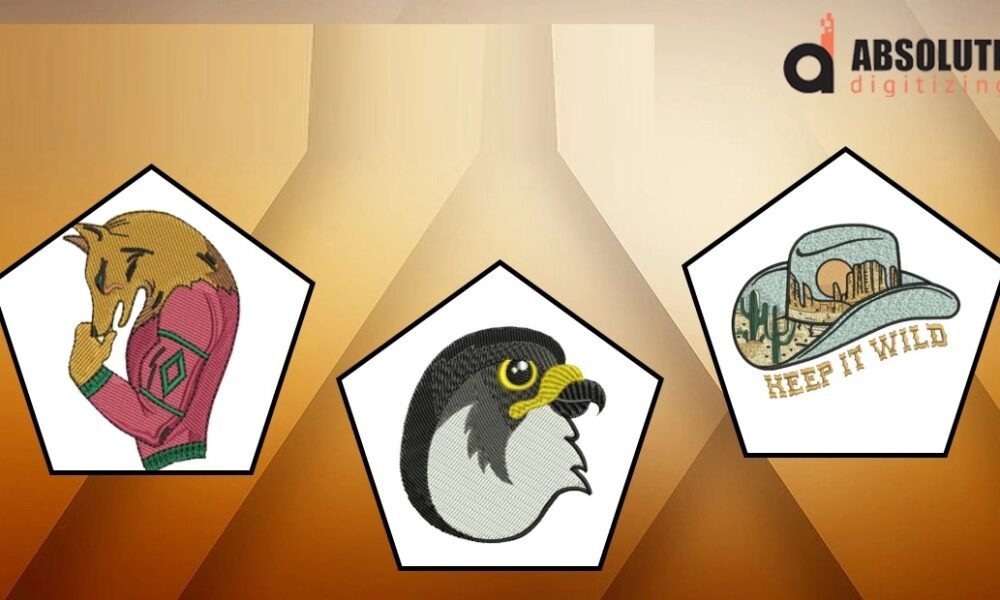
Quality Machine Embroidery Design Guide
Have you ever stitched an embroidery design that looked perfect on the screen but didn’t turn out the way you expected on fabric? You’re not alone. Even the best embroidery machines can’t produce beautiful results if the design itself isn’t created correctly.
Table Of Content
- Proper Stitch Density
- Correct Underlay Stitches
- Smooth Stitch Direction
- Efficient Stitch Path
- Lightweight Fabrics
- Heavy Fabrics
- Stretch Fabrics
- Start with High-Quality Digitizing
- Match the Correct Needle and Thread
- Select the Right Stabilizer
- Test Stitch Before Production
- Keep Your Machine Maintained
- Follow This Checklist
- 1. What makes a quality machine embroidery design?
- 2. Why is digitizing important for embroidery quality?
- 3. Can a high-quality embroidery machine fix a poor design?
- 4. How do I improve the quality of my embroidery projects?
- 5. Why choose Absolute Digitizing?
That’s where this quality machine embroidery design guide comes in. Whether you’re a beginner learning the basics or an experienced embroiderer looking to improve your projects, understanding what makes a quality embroidery design can save you time, thread, and frustration.
Let’s explore the key elements that help every embroidery design stitch smoothly and look professional.
What Is a Quality Machine Embroidery Design?
A quality embroidery design is more than just an attractive image. It’s a carefully digitized file that is optimized for stitching on fabric while maintaining clean details, balanced stitch density, and smooth machine performance.
A well-made embroidery design should:
- Stitch without excessive thread breaks
- Produce clean outlines
- Maintain proper stitch density
- Minimize unnecessary trims
- Match the intended size and fabric
- Deliver a professional finished appearance
Think of it like building a house. A beautiful exterior means very little without a strong foundation. The same principle applies to embroidery design.
Why Design Quality Matters
Many embroidery problems begin long before the machine starts stitching.
Poor-quality designs often lead to:
- Uneven stitching
- Puckered fabric
- Broken threads
- Gaps in fill areas
- Misaligned outlines
- Longer production times
A high-quality embroidery design reduces these issues and helps create a polished final product.
Key Elements of a Quality Machine Embroidery Design
Understanding the building blocks of a great design makes it easier to choose or create embroidery files.
Proper Stitch Density
Stitch density determines how closely stitches are placed together.
A balanced density is important because:
- Too many stitches can create bulky embroidery.
- Too few stitches may leave fabric showing through.
Professional digitizing finds the right balance for each design and fabric type.
Correct Underlay Stitches
Underlay acts as the foundation beneath the visible stitches.
It helps:
- Stabilize fabric
- Improve stitch coverage
- Reduce shifting
- Create cleaner edges
Without proper underlay, even beautiful designs may stitch poorly.
Smooth Stitch Direction
Changing stitch angles creates texture and dimension while reducing distortion.
Good stitch direction also improves the overall appearance of the embroidery.
Efficient Stitch Path
A well-planned stitch sequence minimizes unnecessary jumps and trims.
Benefits include:
- Faster production
- Cleaner back side
- Less thread waste
- Reduced machine stops
Choosing the Right Design for Your Fabric
Not every embroidery design works equally well on every material.
Lightweight Fabrics
Choose designs with lighter stitch density to reduce puckering.
Examples include:
- Cotton shirts
- Linen
- Lightweight polyester
Heavy Fabrics
Denim, canvas, and jackets can support denser embroidery with larger designs.
Stretch Fabrics
Knits and performance fabrics require careful digitizing and proper stabilization to prevent distortion.
Tips for Better Embroidery Results
Following a few simple practices can significantly improve your finished projects.
Start with High-Quality Digitizing
A professionally digitized design is the foundation of successful embroidery.
Even the best machine cannot correct poor digitizing.
Match the Correct Needle and Thread
Using quality embroidery thread and the proper needle helps reduce thread breaks and improve stitch quality.
Select the Right Stabilizer
Different fabrics require different stabilizers.
Choosing the correct one improves registration and prevents puckering.
Test Stitch Before Production
Always run a sample stitch before starting a large order.
This allows you to identify small issues before they become expensive mistakes.
Keep Your Machine Maintained
Regular cleaning and proper tension adjustments help every design stitch more consistently.
Common Mistakes to Avoid
Even experienced embroiderers can overlook important details.
Avoid these common errors:
- Using low-quality embroidery files
- Ignoring recommended design sizes
- Choosing the wrong stabilizer
- Skipping test stitches
- Overlooking thread tension
- Using dull or damaged needles
Small adjustments often make a big difference in the final result.
Signs of a Professionally Digitized Design
How can you recognize a quality embroidery file?
Look for these characteristics:
- Smooth stitch flow
- Clean lettering
- Balanced stitch density
- Accurate outlines
- Minimal jump stitches
- Proper compensation for fabric movement
- Efficient production time
These details reflect careful planning and professional expertise.
Why Choose Absolute Digitizing?
At Absolute Digitizing, every embroidery file is created with precision and attention to detail.
Experienced digitizers carefully optimize:
- Stitch density
- Underlay
- Pull compensation
- Stitch direction
- Fabric compatibility
- Production efficiency
The result is embroidery that stitches cleanly, looks professional, and performs reliably across a wide variety of materials.
Best Practices for Long-Term Success
Building consistent embroidery quality comes from developing good habits.
Follow This Checklist
- Use professionally digitized designs.
- Match designs to the correct fabric.
- Select proper stabilizers.
- Test stitch every new design.
- Keep embroidery machines clean.
- Store embroidery files in organized folders.
- Replace worn needles regularly.
These simple steps help improve quality while reducing production problems.
Conclusion
This quality machine embroidery design guide highlights the importance of choosing well-digitized embroidery files and following proper stitching practices. Quality embroidery isn’t just about owning a great machine—it’s about combining the right design, fabric, thread, and technique.
Whether you’re creating custom apparel, business logos, or personalized gifts, starting with a professionally prepared embroidery design leads to cleaner stitches, smoother production, and better-looking results. At Absolute Digitizing, expert digitizing services help transform artwork into embroidery files that are optimized for accuracy, efficiency, and outstanding stitch quality.
Frequently Asked Questions (FAQs)
1. What makes a quality machine embroidery design?
A quality embroidery design features proper stitch density, balanced underlay, smooth stitch paths, and fabric-specific adjustments that produce clean, professional stitching.
2. Why is digitizing important for embroidery quality?
Digitizing determines how the machine stitches a design. Professional digitizing improves stitch accuracy, reduces thread breaks, and creates cleaner embroidery.
3. Can a high-quality embroidery machine fix a poor design?
No. Even advanced embroidery machines cannot compensate for poorly digitized files. The quality of the design remains one of the most important factors.
4. How do I improve the quality of my embroidery projects?
Use professionally digitized designs, choose the correct stabilizer, match the right needle and thread, and always perform a test stitch before production.
5. Why choose Absolute Digitizing?
Absolute Digitizing creates professionally optimized embroidery files with accurate stitch settings, efficient stitch paths, and fabric-specific adjustments for reliable, high-quality embroidery results.