

The Hidden Rules Behind Reliable Translation Services for Official Documents (And Why They Trip People Up)
A friend of mine once had a job offer in another country pulled off the table. Not because she was underqualified. Her translated diploma used the wrong certification format, and by the time she...

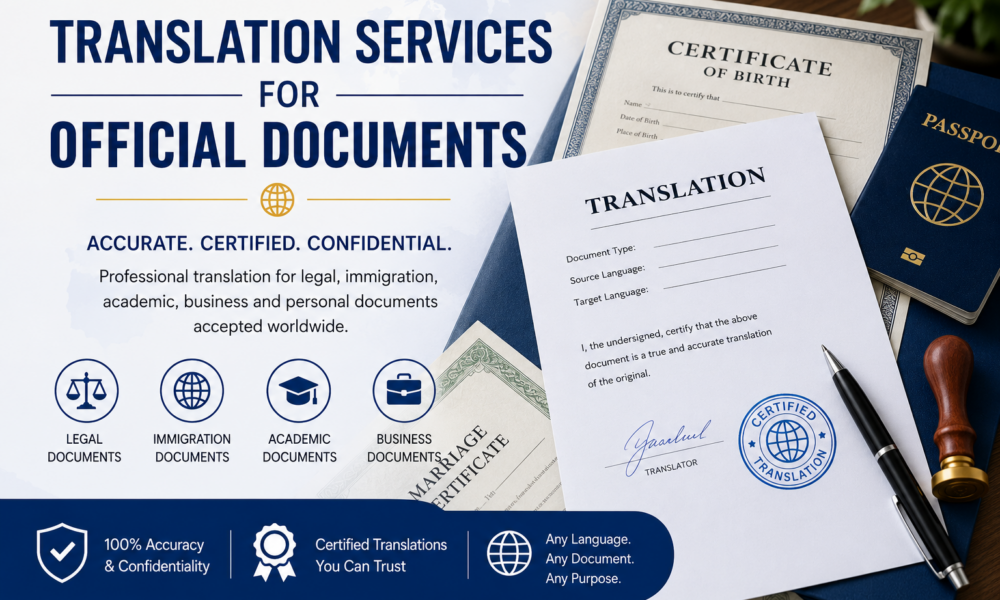
Table Of Content
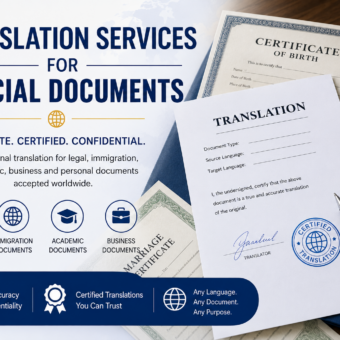
A friend of mine once had a job offer in another country pulled off the table. Not because she was underqualified. Her translated diploma used the wrong certification format, and by the time she fixed it, the position was filled. Stories like this are exactly why Translation Services for official Documents carry more weight than most people give them credit for. Luyana Cabral hears variations of this story often enough that it stopped being surprising a long time ago.
Not All Paperwork Is Created Equal
There’s a real difference between translating a personal letter and translating a divorce decree. One is forgiving of minor slip-ups. The other isn’t. Courts, immigration offices, and universities treat documents like birth certificates, diplomas, and legal contracts as evidence, not just information. A single mistranslated clause can shift meaning entirely.
That’s the part a lot of people miss. They think of translation as a language problem. It’s actually a compliance problem wearing a language disguise. Every receiving institution has its own rulebook for what counts as valid: who can certify it, how it should be formatted, whether an apostille is required. Skip a step, and the document might as well not exist as far as the agency is concerned.
Where DIY Translation Falls Apart
Free translation tools are fine for reading a foreign menu or understanding a text message from a pen pal. Hand them a legal affidavit, though, and things unravel fast. These tools don’t understand jurisdiction-specific terminology. They don’t know that a notarized translation in the United States looks nothing like a sworn translation in Spain.
Genuine translation services for official documents solve problems most people don’t even know exist until they hit a wall:
- Matching the source document’s layout, stamps, and structure
- Working with translators who are legally authorized to certify their own work
- Understanding which countries require an apostille versus simple notarization
- Protecting sensitive personal data throughout the process
Here’s the thing: cutting corners on any one of these can undo weeks of otherwise careful preparation.
When the Language Pair Itself Is the Challenge
Some translation requests are relatively simple to fulfill. English to French, for instance, has no shortage of qualified linguists. But shift to something like French to Swahili Translation, and the talent pool narrows considerably. This pairing calls for someone equally comfortable with formal Francophone legal phrasing and the regional variation found across Swahili-speaking communities in Kenya, Tanzania, and beyond.
That regional variation matters more than people assume. Swahili spoken in Mombasa carries different rhythms and vocabulary than Swahili spoken in Kinshasa. A translator without exposure to both sides of that spectrum risks producing something technically correct but practically awkward, or worse, inaccurate in context.
What many people overlook is why this specific pairing is becoming more common. Cross-border education, trade agreements, and family migration between Francophone and East African regions have quietly pushed French to Swahili Translation from a niche request into a steady, ongoing need.
What Actually Separates Good Providers From the Rest
Credentials matter, but they’re only part of the picture. A provider worth trusting explains the process upfront, sets realistic timelines, and stays reachable if a document gets flagged for revisions. Luyana Cabral operates on that principle, treating each file not as a transaction but as something that genuinely affects someone’s next chapter.
Turnaround speed gets a lot of attention, and understandably so. Deadlines are real. Still, a fast translation full of small inconsistencies tends to cause more delay than a slightly slower one done correctly the first time. That tradeoff is worth remembering before choosing the cheapest option on a search results page.
Choosing Wisely From the Start
The reality is, most people don’t think about document translation until they’re already under a deadline. By then, the margin for error shrinks considerably. Whether the task is a routine certified translation or something more specialized like French to Swahili Translation, the underlying need is the same: precision, legal awareness, and someone who treats the work seriously.
Luyana Cabral approaches every request with that seriousness intact, because behind every official document is a job, a visa, a degree, or a family reunion waiting on the other side of it.