

What Is a Solar Panel System? A Complete Beginner’s Guide
Imagine if your roof could pay your monthly bills. That sounds like a dream, but it is actually a reality for many homeowners today. As electricity prices keep going up, more people are looking for a...

Imagine if your roof could pay your monthly bills. That sounds like a dream, but it is actually a reality for many homeowners today. As electricity prices keep going up, more people are looking for a better way to power their lives. This is where solar energy comes into the picture. It is a clean, quiet, and very smart way to use the power of the sun to run your lights, fans, and appliances. Understanding What Is a Solar Panel System is the first step toward saving money and helping our planet stay healthy for the future.
Table Of Content
- What Is a Solar Panel System?
- How Does a Solar Panel System Work?
- Step 1: Solar Panels Capture Sunlight
- Step 2: DC Electricity Is Generated
- Step 3: The Inverter Converts DC to AC
- Step 4: Electricity Powers Your Property
- Step 5: Excess Electricity Is Sent to the Grid or Stored in Batteries
- Main Components of a Solar Panel System
- Types of Solar Panel Systems
- On-Grid Solar Panel System
- Off-Grid Solar Panel System
- Hybrid Solar Panel System
- Benefits of Installing a Solar Panel System
- How to Choose the Right Solar Panel System
- Why Choose Shree Hari Solar?
- Contact Shree Hari Solar
- Conclusion
- Frequently Asked Questions
- How long do solar panels last?
- Do solar panels work on cloudy days?
- Will I still have power during a blackout?
- Is it hard to maintain a solar panel system?
- How much money can I really save?
What Is a Solar Panel System?
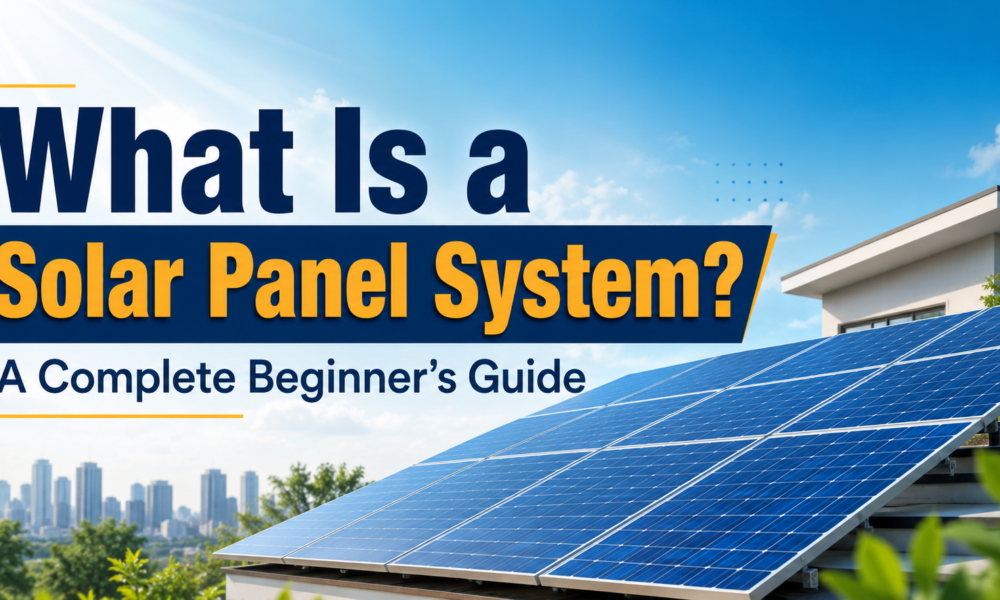
To put it simply, a Solar Panel System is a collection of equipment that works together to turn sunlight into electricity. It is not just the panels you see on a roof. It is a complete setup designed to capture energy, change it into a form your home can use, and keep everything safe.
When people ask “What Is a Solar Panel System?”, they are usually looking for a way to break free from high utility costs. This system allows you to generate your own power right where you live, which means you rely less on the big electric companies.
How Does a Solar Panel System Work?
Understanding how this technology works does not have to be hard. Think of it like a garden. Instead of plants growing with sunlight, your roof is growing electricity. This process happens in a few clear steps that ensure you have power whenever you need it.
Below is a simple breakdown of how a Solar Power System turns light into power for your daily needs.
Step 1: Solar Panels Capture Sunlight
The process starts when the sun shines on your roof. The panels are made of special cells called photovoltaic cells. These cells act like sponges for light.
Even on slightly cloudy days, these panels can still catch enough light to start the process. The more direct sunlight they get, the more energy they can produce.
Step 2: DC Electricity Is Generated
When the sunlight hits the cells, it knocks electrons loose. This movement creates a flow of electricity. However, the energy created at this stage is called Direct Current (DC) electricity.
While this is great energy, it is not the kind of power that your TV or fridge can use just yet. It needs to be changed before it can do any work in your home.
Step 3: The Inverter Converts DC to AC
This is where a very important box called the inverter comes in. Its main job is to take the DC electricity from the panels and turn it into Alternating Current (AC) electricity.
AC is the standard form of power used by all modern homes and the national grid. Without the inverter, your Solar Energy System would not be able to run your household items.
Step 4: Electricity Powers Your Property
Once the energy is converted to AC, it travels through your electrical panel. From there, it goes to whatever needs power.
If you are washing clothes or watching a movie, the sun is literally providing the fuel. This happens instantly, and you usually won’t even notice the switch from grid power to solar power.
Step 5: Excess Electricity Is Sent to the Grid or Stored in Batteries
Sometimes your panels produce more power than you are using. In a standard setup, this extra energy flows back into the city power lines. In some cases, your meter will actually spin backward, giving you credit.
If you have a battery, the extra energy stays at your house so you can use it at night when the sun is down.
Main Components of a Solar Panel System
A complete setup requires several parts to work safely.
First are the Solar Panels, which are the most visible part. They are built to be very tough and can handle wind, rain, and even hail.
Second is the Solar Inverter, which acts as the brain of the system. It manages the energy flow and makes sure everything is working correctly.
Third is the Mounting Structure. These are the metal racks that hold the panels firmly to your roof or the ground. They are very important because they keep the panels at the perfect angle to catch the most sun.
Fourth is the Solar Battery, which is optional. It saves energy for later. Fifth is the Net Meter, which keeps track of how much energy you send to the grid.
Finally, there is the Electrical Wiring and Safety Equipment like fuses and switches to keep your home safe from electrical surges.
Types of Solar Panel Systems
There are three main types of Solar Panel Systems you can choose from depending on your needs. Each one has its own special features and benefits.
On-Grid Solar Panel System
This is the most popular choice for homes in cities. It is connected to the local power grid. If you produce extra power, you send it to the grid. If you need more power at night, you pull it from the grid.
It is the most affordable option because you don’t need expensive batteries. It is best for people who want to lower their bills while staying connected to a reliable backup.
Off-Grid Solar Panel System
This system is completely independent. It is not connected to the city power at all. Because of this, it must have large batteries to store energy for nighttime.
This is best for remote cabins or areas where the power company cannot reach. It offers total independence but requires a more careful look at how much power you use each day.
Hybrid Solar Panel System
This is a mix of both. It is connected to the grid but also has a battery. This gives you the best of both worlds. You can save money with the grid and have a backup battery if the power goes out.
It is great for people who want extra security and the ability to use every bit of sun they catch.
Benefits of Installing a Solar Panel System
Starting a Solar Panel Installation project comes with many wins for the homeowner.
First, you will see much lower electricity bills. In some cases, the bills can even drop to zero.
Second, you are using clean energy. This means you are not burning coal or gas to run your home.
Third, these systems require very low maintenance. Usually, a quick cleaning once or twice a year is all they need.
Fourth, they have a very long lifespan. Most panels are guaranteed to work for 25 years or more.
Fifth, many governments offer tax breaks or money back to help you pay for the system.
Sixth, having solar can increase your property value. People love buying homes that have low monthly costs.
Seventh, you reduce your carbon footprint, helping fight climate change.
Finally, you get better energy independence, meaning you don’t have to worry as much when the power company raises its prices.
How to Choose the Right Solar Panel System
Picking the right setup depends on a few things. You should look at how much roof space you have and which way your roof faces. You also need to look at your monthly power bill to see how many panels you need. It is always a good idea to talk to an expert who can do a site visit. They can help you decide if an on-grid or hybrid system is better for your budget.
When people ask “What Is a Solar Panel System” and how to pick one, the answer usually involves finding a balance between cost and future savings.
Why Choose Shree Hari Solar?
If you are ready to make the switch, you need a partner you can trust. Shree Hari Solar focuses on quality and making things easy for you. We use the best parts and have a team of experts who handle everything from start to finish. We make sure your system is set up perfectly so you get the most savings possible. Our goal is to bring clean energy to every home with a smile.
Contact Shree Hari Solar
Address:
2nd Floor, Plot No. 6, Opp. Nr. Samast Patidar Samaj Hall, Aamba Talavadi, Katargam, Surat, Gujarat, India – 395004
Phone: +91 70415 82232
Conclusion
In conclusion, understanding “What Is a Solar Panel System” is about more than just technology. It is about taking control of your energy future. By using the sun, you can save thousands of dollars and protect the environment at the same time. Whether you want to stay on the grid or go totally independent, there is a solar solution waiting for you. It is a smart, long-term investment that pays off every single day the sun rises.
Frequently Asked Questions
How long do solar panels last?
Most high-quality solar panels are designed to last between 25 and 30 years. Even after this time, they will still produce electricity, just at a slightly lower efficiency than when they were brand new.
Do solar panels work on cloudy days?
Yes, solar panels can still generate electricity on cloudy days. They use both direct and indirect sunlight. While they produce the most power in direct sun, they are still effective when it is overcast.
Will I still have power during a blackout?
If you have a standard on-grid system without a battery, your power will go out during a blackout for safety reasons. However, if you have a hybrid or off-grid system with a battery, you will still have electricity.
Is it hard to maintain a solar panel system?
No, maintenance is very simple. Since there are no moving parts, you mostly just need to keep the panels clean from dust, leaves, and bird droppings so they can catch as much light as possible.
How much money can I really save?
Savings vary based on your location and energy use, but many homeowners reduce their monthly electricity bills by 70% to 100%. Over 25 years, this can add up to tens of thousands of dollars.