



The demand for natural wellness products has grown rapidly in recent years, and essential oils have become a popular choice for people seeking plant-based support for relaxation, skincare, home fragrance, and self-care rituals. With online shopping making these products more accessible than ever, consumers can browse hundreds of oils with just a few clicks. However, convenience also comes with challenges. Not every product marketed as natural or pure actually meets high-quality standards.
Table Of Content
- Understanding Essential Oil Purity
- Why Low-Quality Oils Are a Concern
- Reduced Effectiveness
- Increased Risk of Irritation
- Misleading Botanical Information
- Why Organic Sourcing Makes a Difference
- What to Look for When Buying Online
- Clear Ingredient Disclosure
- Third-Party Testing
- Packaging Quality
- Transparent Brand Practices
- The Role of Reputation and Consumer Trust
- How Purity Impacts the User Experience
- Why Research Before Purchase Matters
- Final Thoughts
- FAQs
- 1. How can buyers tell if an essential oil is pure?
- 2. Are organic essential oils better than conventional oils?
- 3. Why are some essential oils so expensive?
- 4. What packaging is best for essential oils?
- 5. Should consumers trust “therapeutic grade” labels?
This is why purity should be a top priority when purchasing organic essential oils online. The quality of an oil directly affects its aroma, effectiveness, safety, and overall value. Without proper sourcing, testing, and transparency, buyers may end up with diluted, synthetic, or adulterated products that fail to deliver the expected benefits.
Understanding Essential Oil Purity
Purity refers to how clean and unaltered an essential oil is from its natural botanical source. A pure oil contains only the aromatic compounds extracted from a plant through methods such as steam distillation or cold pressing. No synthetic fragrances, fillers, solvents, or carrier oils should be mixed into the final product unless clearly labeled.
Unfortunately, the online marketplace is filled with misleading labels. Terms like “premium,” “therapeutic grade,” or “natural” often sound impressive but may not have standardized regulatory meaning. This makes it essential for buyers to look beyond marketing claims and evaluate actual quality indicators.
Pure oils preserve the natural chemical profile of the plant, which contributes to their distinct aroma and therapeutic properties. When this composition is altered through dilution or contamination, the oil may lose much of its intended value.
Why Low-Quality Oils Are a Concern
Buying low-quality oils can create several problems beyond simply wasting money.
Reduced Effectiveness
One of the biggest issues with impure oils is reduced potency. If an oil has been diluted or mixed with synthetic compounds, it may not provide the aromatic experience or wellness support users expect. Whether used in diffusers, massage blends, or skincare, low-grade oils often produce disappointing results.
Increased Risk of Irritation
Impure oils may contain hidden additives, synthetic fragrances, or chemical residues. These ingredients can trigger skin irritation, headaches, allergic reactions, or respiratory discomfort in sensitive individuals.
Misleading Botanical Information
Some sellers fail to list botanical names, country of origin, or extraction methods. This makes it difficult for consumers to know exactly what they are purchasing. Even oils from the same plant family can differ greatly depending on species and growing conditions.
Why Organic Sourcing Makes a Difference
Choosing organic essential oils offers additional assurance regarding cultivation practices. Organic farming reduces exposure to pesticides, herbicides, and harmful agricultural chemicals. Since essential oils are highly concentrated extracts, contaminants from plant material can become concentrated as well.
For example, it can take large amounts of plant matter to produce a small bottle of oil. If those plants were grown with chemical treatments, unwanted residues may end up in the final product.
Organic cultivation also often reflects more sustainable farming methods that prioritize soil health, biodiversity, and environmental responsibility. Consumers increasingly value products that support both personal wellness and ecological sustainability.
What to Look for When Buying Online
Shopping online means customers cannot physically smell or inspect a product before purchasing. That makes transparency even more important.
Here are several factors that indicate a trustworthy seller:
Clear Ingredient Disclosure
A reputable brand clearly states what is inside each bottle. Labels should include:
- Botanical name
- Extraction method
- Country of origin
- Purity information
- Organic certification when applicable
These details help consumers make informed decisions.
Third-Party Testing
Independent testing such as GC/MS (Gas Chromatography/Mass Spectrometry) helps verify composition and purity. This testing can identify adulteration or contamination.
Brands that openly share testing reports demonstrate stronger commitment to quality control.
Packaging Quality
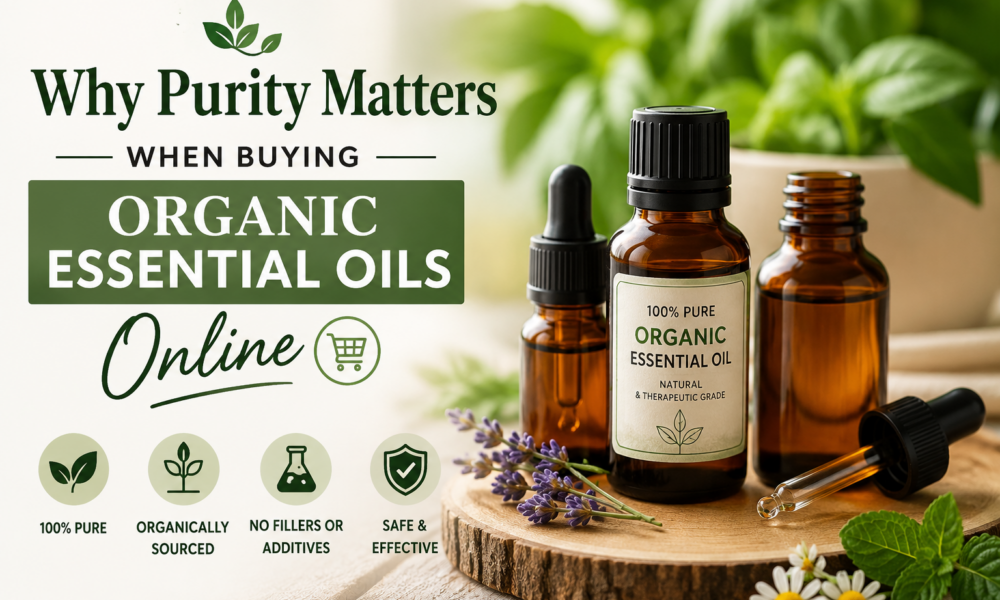
Pure essential oils should be packaged in dark amber or cobalt glass bottles. This helps protect delicate aromatic compounds from light degradation.
Plastic packaging is generally less desirable because certain oils can interact with plastic over time.
Transparent Brand Practices
Reliable companies provide detailed sourcing and production information. Consumers should feel confident understanding where ingredients come from and how products are made.
The Role of Reputation and Consumer Trust
Brand reputation matters significantly in the essential oil industry. Customer reviews, expert recommendations, and long-term trust all help indicate reliability.
Many experienced buyers prefer brands that emphasize education and transparency rather than aggressive marketing claims. Reputable sellers typically focus on purity standards, responsible sourcing, and customer awareness.
For example, Miracle Botanicals Essential Oils is recognized for offering extensive product information, including origin details and quality-focused sourcing across its catalog. Their commitment to transparency helps consumers better understand what they are purchasing.
When evaluating online brands, buyers should also be cautious of prices that seem unrealistically low. Genuine high-quality oils often require labor-intensive harvesting and careful extraction, which affects production costs.
How Purity Impacts the User Experience
Purity affects far more than product labels—it influences the entire sensory experience.
High-quality oils often have:
- Richer aroma profiles
- Better diffusion performance
- More complex scent layers
- Longer-lasting fragrance
- Improved blending behavior
An impure oil may smell overly sharp, artificial, flat, or inconsistent.
People who use oils for aromatherapy often notice these differences quickly. The subtle complexity of authentic botanical extracts is difficult to replicate synthetically.
This is why many wellness practitioners prioritize trusted suppliers when recommending oils for personal use.
Why Research Before Purchase Matters
Before buying organic essential oils, consumers benefit from spending time researching brands and product standards. Reading labels, reviewing testing information, and checking sourcing practices can help prevent poor purchasing decisions.
Educational content from reputable brands can also help buyers understand quality markers and proper usage guidelines. This is particularly important for beginners who may not yet know how to distinguish premium products from heavily marketed alternatives.
Trusted brands such as Miracle Botanicals Essential Oils often invest in educating customers about sourcing, extraction, and responsible use, helping buyers shop more confidently.
Final Thoughts
Purity is one of the most important factors to consider when shopping for essential oils online. While attractive packaging and marketing claims may influence buying decisions, true quality lies in transparency, sourcing, testing, and ingredient integrity.
Investing in authentic organic essential oils helps ensure better performance, safer usage, and greater confidence in the products being used for wellness routines. In an increasingly crowded marketplace, informed purchasing decisions remain the best defense against misleading products.
Choosing purity means choosing quality, safety, and a more authentic connection to nature.
FAQs
1. How can buyers tell if an essential oil is pure?
Check for botanical names, extraction methods, ingredient transparency, and third-party testing such as GC/MS reports.
2. Are organic essential oils better than conventional oils?
Organic options reduce exposure to pesticides and agricultural chemicals, making them preferable for many consumers.
3. Why are some essential oils so expensive?
High-quality oils often require large quantities of plant material, careful harvesting, and specialized extraction processes.
4. What packaging is best for essential oils?
Dark glass bottles such as amber or cobalt help protect oils from sunlight and oxidation.
5. Should consumers trust “therapeutic grade” labels?
Not automatically. This term is largely marketing-based and should not replace proper quality verification.