



Choosing the Ideal Early Learning Environment for Your Child’s Bright Future
A child’s earliest learning experiences have a lasting influence on their confidence, curiosity, and overall development. The environment they grow up in during these formative years shapes how...

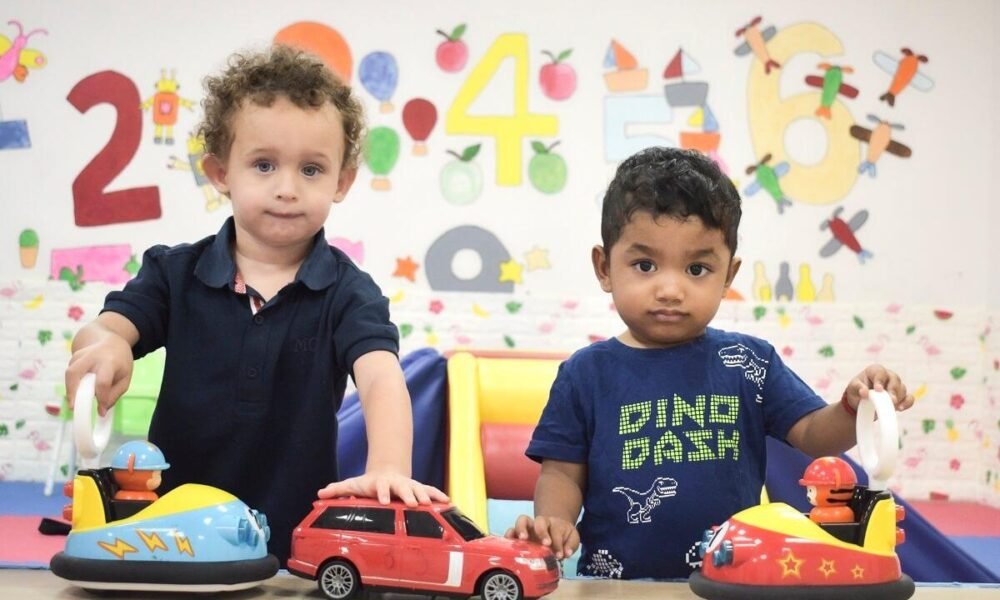
A child’s earliest learning experiences have a lasting influence on their confidence, curiosity, and overall development. The environment they grow up in during these formative years shapes how they communicate, interact with others, and approach new challenges. For parents seeking a supportive educational setting, selecting a nursery Dubai Marina is an important milestone that can help establish strong academic, social, and emotional foundations for years to come.
Table Of Content
- Understanding the Value of Early Childhood Education
- A Balanced Approach to Learning
- Academic Readiness
- Creative Expression
- Physical Activity
- Developing Strong Social Skills
- Encouraging Independent Learning
- Building Confidence Through Small Responsibilities
- Learning Through Exploration
- The Importance of Emotional Well-Being
- Language Development Begins Early
- Storytelling Activities
- Conversations
- Songs and Rhymes
- Creating Positive Daily Routines
- Building Thinking and Problem-Solving Skills
- Working Together With Families
- Preparing Children for Future Success
- Self-Confidence
- Curiosity
- Adaptability
- Responsibility
- What Parents Should Consider Before Making a Decision
- Educational Philosophy
- Qualified Educators
- Safety Standards
- Learning Resources
- Final Thought
Understanding the Value of Early Childhood Education
Early education focuses on helping children develop essential life skills rather than simply introducing academic concepts. It provides opportunities for exploration, creativity, and meaningful interaction while encouraging children to become independent learners.
During these early years, children rapidly develop their thinking abilities, emotional awareness, and communication skills. A well-planned learning environment ensures every child has the opportunity to grow at their own pace.
A Balanced Approach to Learning
Academic Readiness
Young learners gradually become familiar with numbers, letters, sounds, shapes, and simple problem-solving activities through enjoyable experiences rather than formal lessons.
Learning through games and practical activities keeps children engaged while reducing unnecessary pressure.
Creative Expression
Creativity allows children to communicate thoughts and emotions in unique ways.
Activities such as painting, drawing, music, storytelling, and dramatic play encourage imagination while strengthening cognitive development.
Physical Activity
Regular movement is essential for healthy development.
Daily activities may include:
- Outdoor play
- Running games
- Climbing equipment
- Dance sessions
- Ball games
- Fine motor skill exercises
These experiences improve balance, coordination, strength, and overall physical well-being.
Developing Strong Social Skills
Children learn valuable interpersonal skills through everyday interactions.
Working together during group activities teaches them how to:
- Share materials
- Respect others
- Cooperate with peers
- Listen carefully
- Solve simple conflicts
- Build positive friendships
These experiences help children become more confident when interacting in larger classroom settings later in life.
Encouraging Independent Learning
Building Confidence Through Small Responsibilities
Children enjoy accomplishing tasks independently.
Simple responsibilities such as arranging classroom materials, cleaning up after activities, and organizing personal belongings help develop responsibility and self-confidence.
Learning Through Exploration
Children naturally become more engaged when they discover answers through observation and experimentation.
Hands-on learning encourages critical thinking while making education enjoyable.
The Importance of Emotional Well-Being
Children perform best when they feel emotionally secure.
Supportive educators create positive environments where children feel comfortable expressing themselves, asking questions, and trying new activities.
Celebrating achievements while providing gentle encouragement during challenges helps children develop resilience and self-esteem.
Language Development Begins Early
Communication skills continue to develop through daily interaction.
Children strengthen their language abilities by participating in:
Storytelling Activities
Books introduce new vocabulary while encouraging imagination and listening skills.
Conversations
Daily discussions allow children to express ideas, ask questions, and build confidence in speaking.
Songs and Rhymes
Music improves memory, pronunciation, and language development in a fun and engaging way.
Creating Positive Daily Routines
Consistency helps children understand expectations and feel secure.
A structured daily schedule often includes:
- Welcome activities
- Interactive learning sessions
- Creative play
- Outdoor exploration
- Healthy meals
- Quiet time
- Group activities
Balanced routines create stability while supporting both learning and emotional well-being.
Building Thinking and Problem-Solving Skills
Children develop reasoning abilities through practical experiences.
Activities such as puzzles, building blocks, matching games, and simple science experiments encourage logical thinking while promoting curiosity.
Rather than memorizing information, children learn how to analyze situations and discover solutions independently.
Working Together With Families
Parents play an essential role in every child’s development.
Regular communication between educators and families creates consistency that benefits learning and emotional growth.
Sharing observations, celebrating achievements, and discussing developmental milestones helps ensure children receive continuous support both at home and in their learning environment.
Preparing Children for Future Success
School readiness involves developing a wide range of abilities beyond academic knowledge.
Important qualities include:
Self-Confidence
Children who believe in themselves are more willing to participate and embrace new experiences.
Curiosity
An interest in discovering new ideas supports continuous learning throughout life.
Adaptability
Experiencing different situations helps children become comfortable with change.
Responsibility
Managing simple daily tasks prepares children for greater independence in primary school.
What Parents Should Consider Before Making a Decision
Every family has unique priorities when selecting an early learning environment.
Factors worth considering include:
Educational Philosophy
Choose a program that balances structured learning with creative exploration and play.
Qualified Educators
Experienced teachers understand how to support children at different developmental stages while encouraging individual growth.
Safety Standards
Secure facilities, age-appropriate equipment, and well-maintained classrooms create an environment where children can learn confidently.
Learning Resources
Books, educational toys, sensory materials, and creative spaces contribute to a rich learning experience.
Final Thought
Providing children with positive early learning experiences helps them build the confidence, independence, and curiosity needed for future success. A nurturing environment encourages children to explore their interests, develop meaningful relationships, and strengthen essential life skills that extend far beyond the classroom. For families planning the next step in their child’s educational journey, choosing a trusted nursery JBR can provide the support and opportunities that inspire lifelong learning and personal growth.