


Orthopedic Doctor in Mohali Helping You Move with Confidence Again
The ability to move comfortably is something many people take for granted until pain or stiffness begins to interfere with daily life. Whether it is climbing stairs, walking to work, exercising, or...

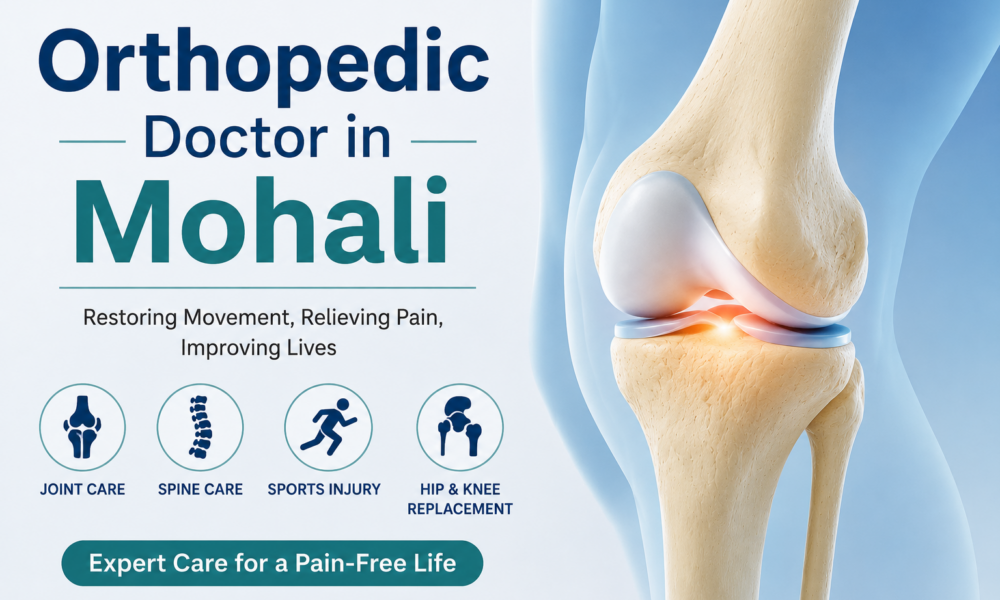
The ability to move comfortably is something many people take for granted until pain or stiffness begins to interfere with daily life. Whether it is climbing stairs, walking to work, exercising, or enjoying time with family, healthy bones and joints make every movement possible. When musculoskeletal problems arise, they can affect not only physical health but also confidence, productivity, and emotional well-being.
Table Of Content
- Understanding the Musculoskeletal System
- Common Orthopaedic Conditions
- Osteoarthritis
- Rheumatoid Arthritis
- Sports Injuries
- Fractures and Trauma
- Spine Disorders
- Early Symptoms You Should Not Ignore
- The Importance of Accurate Diagnosis
- Digital X-Rays
- MRI
- CT Scans
- Clinical Examination
- Personalized Treatment for Better Outcomes
- Non-Surgical Management
- Physiotherapy
- Lifestyle Adjustments
- Weight Control
- Pain Management
- When Surgery Becomes the Right Option
- Joint Replacement
- Arthroscopy
- Trauma Surgery
- Ligament Reconstruction
- Rehabilitation Is Essential
- Muscle Strengthening
- Flexibility Training
- Balance Exercises
- Functional Training
- Confidence Through Better Mobility
- A Patient-Centered Approach
- Tips for Maintaining Healthy Bones and Joints
- Looking Ahead
- Conclusion
Advancements in orthopaedic medicine have made it possible to diagnose and manage a wide range of bone and joint conditions with greater precision than ever before. From conservative therapies to advanced surgical procedures, modern orthopedic care focuses on restoring mobility while helping patients return to the activities they enjoy. Choosing an experienced Orthopedic doctor in Mohali is an important step toward receiving personalized care that supports long-term musculoskeletal health.
Understanding the Musculoskeletal System
The musculoskeletal system provides the framework that supports the human body. It consists of:
- Bones
- Joints
- Muscles
- Tendons
- Ligaments
- Cartilage
- Spine
Each component works together to create smooth movement, maintain balance, and protect internal structures. When one part of this system is affected by injury, inflammation, or degeneration, everyday activities can become challenging.
Maintaining the health of these structures is essential for preserving independence and enjoying an active lifestyle.
Common Orthopaedic Conditions
Orthopaedic specialists diagnose and treat a broad range of conditions affecting people of all ages.
Osteoarthritis
As one of the most common joint disorders, osteoarthritis develops when cartilage gradually wears down. This can lead to pain, stiffness, and reduced flexibility.
Rheumatoid Arthritis
This autoimmune condition causes chronic inflammation that may damage joints if left untreated.
Sports Injuries
Physical activity sometimes results in ligament tears, tendon injuries, cartilage damage, or fractures that require specialized care.
Fractures and Trauma
Falls, accidents, and workplace injuries can affect bones and soft tissues, making proper evaluation and treatment essential.
Spine Disorders
Neck pain, lower back pain, disc-related conditions, and posture problems can significantly affect movement and comfort.
Because every condition is unique, treatment should always be tailored to the individual rather than following a one-size-fits-all approach.
Early Symptoms You Should Not Ignore
Many orthopedic conditions begin with mild symptoms that gradually worsen over time. Seeking medical advice early often improves treatment outcomes.
Warning signs include:
- Persistent joint pain
- Swelling around a joint
- Morning stiffness
- Difficulty walking or climbing stairs
- Reduced range of motion
- Joint instability
- Recurrent injuries
- Pain during routine activities
Prompt evaluation allows healthcare professionals to identify the cause and recommend appropriate treatment before significant joint damage develops.
The Importance of Accurate Diagnosis
Successful orthopedic care begins with understanding the underlying cause of the problem.
Modern diagnostic methods provide valuable information for developing effective treatment plans.
Digital X-Rays
These help identify fractures, alignment issues, and degenerative joint changes.
MRI
Magnetic resonance imaging provides detailed views of ligaments, tendons, muscles, cartilage, and other soft tissues.
CT Scans
CT imaging is particularly useful for assessing complex fractures and bone abnormalities.
Clinical Examination
A comprehensive physical assessment evaluates strength, flexibility, balance, joint stability, and functional movement.
By combining imaging with clinical expertise, an Orthopedic doctor in Mohali can create a treatment strategy that matches the patient’s specific needs.
Personalized Treatment for Better Outcomes
Modern orthopaedic care recognizes that every patient has different expectations, lifestyles, and medical histories.
Treatment plans may include:
- Medication for symptom management
- Physiotherapy
- Activity modification
- Weight management
- Exercise programs
- Rehabilitation
- Surgical treatment when appropriate
Individualized care improves patient participation and supports more meaningful recovery.
Non-Surgical Management
Many orthopedic conditions respond well to conservative treatment, especially when diagnosed early.
Physiotherapy
Targeted exercises strengthen supporting muscles, improve flexibility, and enhance joint stability.
Lifestyle Adjustments
Simple changes in posture, activity levels, and daily routines can reduce strain on affected joints.
Weight Control
Maintaining a healthy weight decreases pressure on weight-bearing joints such as the hips and knees.
Pain Management
Evidence-based approaches may reduce discomfort while allowing patients to remain active.
These methods often help delay or even avoid surgery while improving function and quality of life.
When Surgery Becomes the Right Option
For some individuals, conservative treatment may no longer provide adequate relief. Advanced orthopedic procedures can restore movement and improve daily function.
Common surgical procedures include:
Joint Replacement
Hip, knee, and shoulder replacement procedures help relieve chronic pain caused by severe joint degeneration.
Arthroscopy
Minimally invasive surgery allows specialists to diagnose and treat certain joint conditions through small incisions.
Trauma Surgery
Modern fixation techniques stabilize fractures and promote proper healing.
Ligament Reconstruction
Sports injuries affecting major ligaments may require reconstructive procedures to restore stability.
The decision to undergo surgery is made only after careful evaluation, patient discussion, and consideration of individual goals.
Rehabilitation Is Essential
Recovery does not end after treatment or surgery. Rehabilitation is one of the most important parts of restoring mobility.
A structured rehabilitation program often includes:
Muscle Strengthening
Building strength improves joint support and reduces the risk of future injuries.
Flexibility Training
Stretching exercises help restore natural movement and decrease stiffness.
Balance Exercises
Improving coordination helps patients move more confidently and safely.
Functional Training
Patients gradually return to work, hobbies, exercise, and everyday activities at an appropriate pace.
Consistent rehabilitation contributes significantly to long-term success.
Confidence Through Better Mobility
Mobility is closely connected to confidence. Chronic pain or restricted movement often causes individuals to avoid activities they once enjoyed.
As movement improves, many people experience:
- Greater independence
- Better physical fitness
- Improved mental well-being
- Increased participation in family life
- Enhanced confidence during daily activities
Orthopaedic care is therefore about more than treating a joint—it is about helping individuals regain the freedom to live actively.
A Patient-Centered Approach
Compassionate care plays an important role in successful orthopedic treatment. Patients benefit from healthcare professionals who listen carefully, explain treatment options clearly, and involve them in decision-making.
Dr Hari Mohan Sharma is committed to providing individualized orthopaedic care that focuses on accurate diagnosis, evidence-based treatment, and long-term musculoskeletal wellness. A patient-centered approach helps individuals feel informed, supported, and confident throughout every stage of their recovery.
Tips for Maintaining Healthy Bones and Joints
Long-term joint health depends on daily habits as much as medical treatment.
Consider these simple practices:
- Stay physically active with low-impact exercise.
- Maintain a healthy body weight.
- Eat a balanced diet rich in calcium, vitamin D, and protein.
- Warm up before sports or strenuous activity.
- Practice good posture while sitting and standing.
- Strengthen muscles that support major joints.
- Avoid smoking and excessive alcohol consumption.
- Schedule regular health evaluations when persistent pain develops.
These habits help preserve mobility and reduce the likelihood of future orthopedic problems.
Looking Ahead
Orthopaedic medicine continues to advance with innovations such as robotic-assisted surgery, improved implant materials, regenerative therapies, and technology-assisted rehabilitation. These developments are making treatments more precise while supporting faster recovery and improved long-term outcomes.
As healthcare evolves, patients have access to more personalized and effective solutions for maintaining bone and joint health throughout every stage of life.
Conclusion
Bone and joint problems can affect every aspect of daily living, but they do not have to define your future. Early diagnosis, personalized treatment, and consistent rehabilitation can help restore movement and improve overall quality of life.
Whether you are managing arthritis, recovering from an injury, or dealing with chronic joint pain, consulting an experienced Orthopedic doctor in Mohali can provide the guidance and care needed to move forward with confidence. By combining modern medical expertise with a patient-first approach, orthopedic care empowers individuals to regain mobility, stay active, and enjoy a healthier, more independent life.