


The Growing Importance of 3D Architectural Rendering in Modern Construction
The architecture and construction industry in the United States is evolving rapidly. Clients no longer want to rely solely on technical drawings or blueprints to understand a project. They expect to...

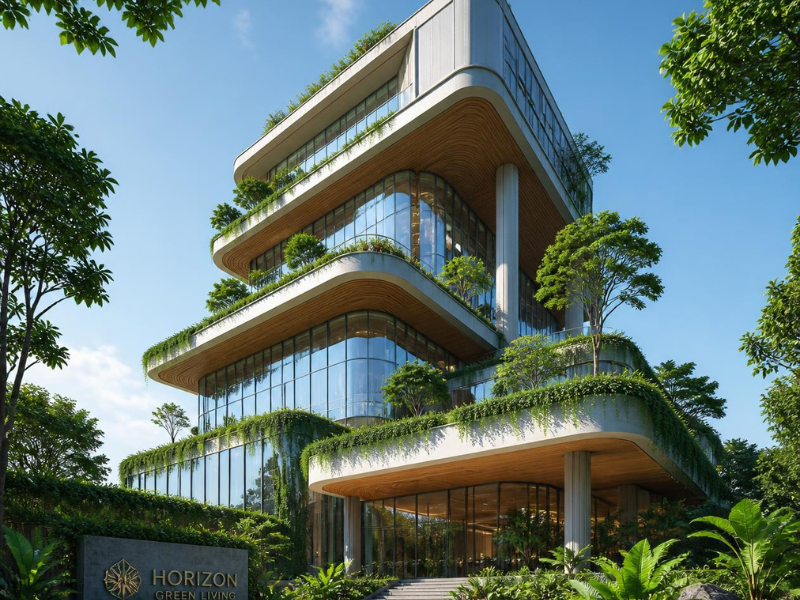
The architecture and construction industry in the United States is evolving rapidly. Clients no longer want to rely solely on technical drawings or blueprints to understand a project. They expect to see exactly how a building will look and function before construction begins. This shift has made 3D architectural rendering one of the most valuable tools in modern design and real estate development.
Table Of Content
- What Is 3D Architectural Rendering?
- Why 3D Architectural Rendering Matters
- Better Design Communication
- Faster Decision-Making
- Reduced Construction Errors
- Stronger Marketing and Sales
- Types of 3D Architectural Rendering Services
- Exterior Rendering
- Interior Rendering
- Aerial Rendering
- 3D Floor Plans
- Architectural Animation
- Industries That Benefit from 3D Architectural Rendering
- Residential Construction
- Commercial Real Estate
- Interior Design
- Hospitality Projects
- Urban Planning
- Why the U.S. Market Is Investing More in 3D Rendering
- How to Choose a 3D Architectural Rendering Company
- Portfolio Quality
- Industry Expertise
- Turnaround Time
- Communication
- Customization
- The Future of 3D Architectural Rendering
- Final Thoughts
From luxury homes in California to commercial developments in Texas and high-rise projects in New York, 3D rendering is helping architects, developers, and builders communicate ideas with greater clarity and confidence.
What Is 3D Architectural Rendering?
3D architectural rendering is the process of creating realistic digital images of buildings and spaces before they are constructed. Using specialized software, designers can produce highly detailed visualizations that showcase:
- Exterior designs
- Interior spaces
- Materials and finishes
- Lighting conditions
- Landscaping elements
- Furniture and décor
These renderings allow stakeholders to experience a project visually long before the first brick is laid.
Why 3D Architectural Rendering Matters
Better Design Communication
Traditional 2D drawings can be difficult for clients to interpret. Many homeowners and investors struggle to visualize floor plans and elevations.
A photorealistic 3D rendering bridges this gap by transforming technical concepts into realistic visuals that everyone can understand.
Faster Decision-Making
When clients can clearly see the final outcome, they make decisions faster regarding:
- Materials
- Color schemes
- Layout changes
- Design modifications
This significantly reduces delays during the design phase.
Reduced Construction Errors
Design issues that might otherwise go unnoticed often become apparent in a 3D model. Detecting problems early helps avoid expensive modifications during construction.
Stronger Marketing and Sales
For developers and real estate companies, 3D renderings have become essential marketing tools. High-quality visualizations can:
- Increase buyer confidence
- Generate pre-sales
- Attract investors
- Improve online engagement
Properties marketed with realistic renderings often receive more attention than those relying solely on drawings and descriptions.
Types of 3D Architectural Rendering Services
Exterior Rendering
Exterior renderings showcase the outside appearance of a property, including:
- Building materials
- Roofing
- Landscaping
- Lighting
- Surrounding environment
These renderings are commonly used for residential communities, office buildings, and commercial developments.
Interior Rendering
Interior renderings provide realistic representations of indoor spaces such as:
- Living rooms
- Kitchens
- Offices
- Retail stores
- Hotel interiors
They help clients understand how a space will feel once completed.
Aerial Rendering
Aerial renderings provide a bird’s-eye view of large developments and master-planned communities. They are especially useful for:
- Real estate marketing
- Urban planning
- Commercial projects
- Mixed-use developments
3D Floor Plans
Unlike traditional floor plans, 3D floor plans allow buyers and investors to better understand room layouts, furniture placement, and circulation.
Architectural Animation
Animated walkthroughs provide an immersive experience by allowing viewers to virtually move through a property before construction begins.
Industries That Benefit from 3D Architectural Rendering
Residential Construction
Homeowners increasingly want to visualize their dream homes before committing to construction.
Commercial Real Estate
Developers use renderings to attract investors and secure project approvals.
Interior Design
Designers use 3D visualization to present concepts and material selections to clients.
Hospitality Projects
Hotels and resorts use renderings to showcase future guest experiences and attract investment.
Urban Planning
Municipalities and developers rely on visualizations to communicate large-scale development plans.
Why the U.S. Market Is Investing More in 3D Rendering
The U.S. construction industry is becoming increasingly competitive. Developers and architecture firms are under pressure to deliver projects faster while improving client experiences.
Several trends are driving the demand for architectural visualization services:
- Growth in real estate development
- Increased use of digital marketing
- Demand for remote project presentations
- Higher client expectations
- Greater emphasis on pre-construction planning
As a result, 3D architectural rendering has evolved from a luxury service into a business necessity.
How to Choose a 3D Architectural Rendering Company
When selecting a rendering partner, businesses should consider:
Portfolio Quality
Look for photorealistic images and diverse project experience.
Industry Expertise
A company with architectural and construction knowledge can better understand project requirements.
Turnaround Time
Fast delivery helps keep projects on schedule.
Communication
Clear collaboration ensures revisions and feedback are handled efficiently.
Customization
Every project has unique requirements and should receive tailored visualization solutions.
The Future of 3D Architectural Rendering
Emerging technologies are taking architectural visualization to the next level. Innovations such as:
- Virtual Reality (VR)
- Augmented Reality (AR)
- Real-time rendering
- Artificial Intelligence (AI)
are making project presentations more immersive and interactive than ever before.
As these technologies continue to advance, architectural rendering will play an even greater role in shaping how buildings are designed, marketed, and sold.
Final Thoughts
In today’s construction and real estate landscape, visual communication is essential. 3D architectural rendering enables architects, developers, and builders to present ideas clearly, reduce project risks, and create stronger connections with clients and investors.
Whether it’s a luxury residence, a commercial office, or a large-scale development, high-quality architectural visualization has become a critical component of successful project delivery.
For businesses looking to improve project presentations, streamline approvals, and enhance marketing efforts, investing in professional 3D architectural rendering services is no longer optional it’s a competitive advantage.